
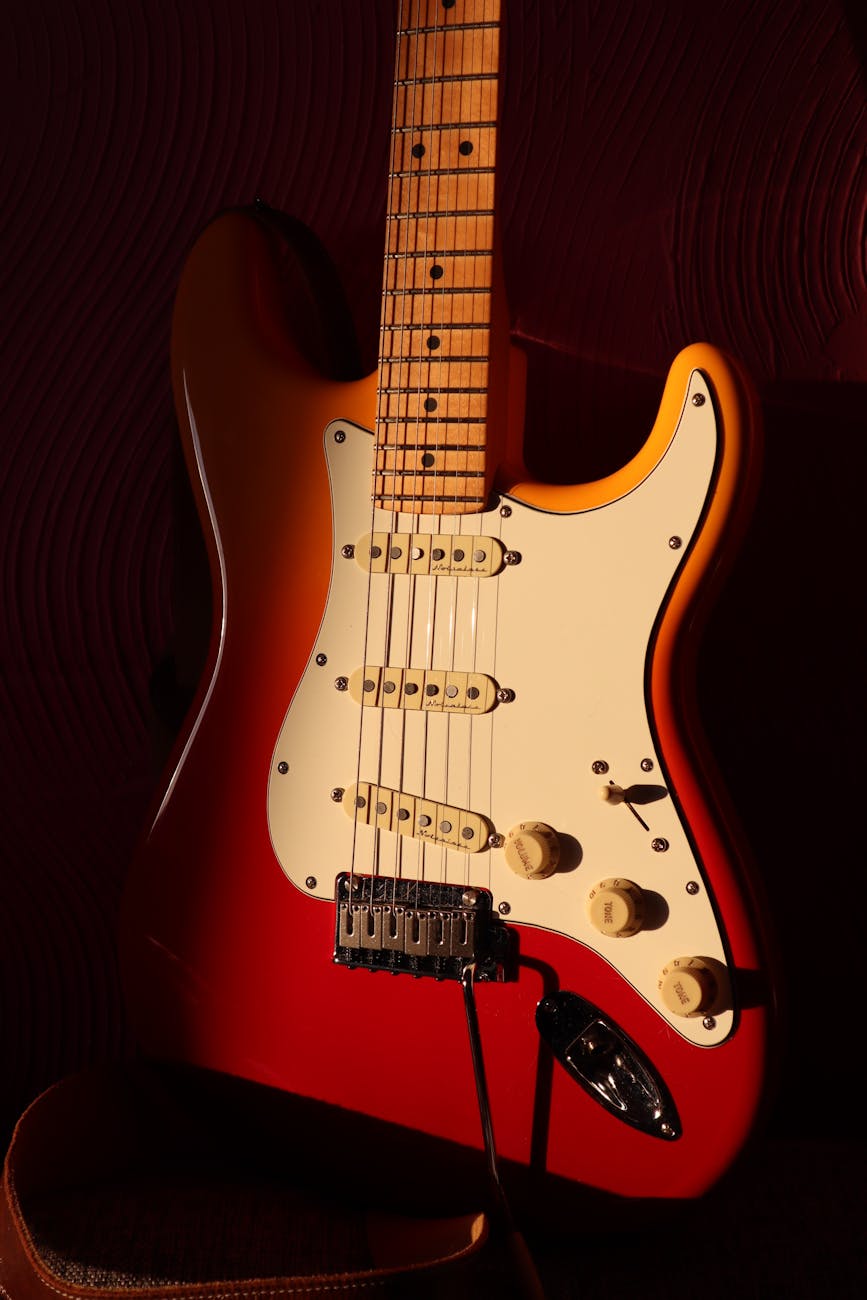
Quick answer: A good gospel guitar setup has low, comfortable action without fret buzz, accurate intonation so chords stay in tune high on the neck, and a clean, warm tone with present mids. Use fresh strings in a gauge you can control, check tuning and intonation regularly, and have a professional setup done at least once a year or whenever the seasons change the feel of the neck.
When it comes to gospel guitar, how your guitar is set up matters just as much as what you play. You can know every passing chord and shout lick in the book, but if the instrument fights you, none of it will come out the way you hear it.
A proper setup makes the guitar easier to play, keeps it in tune across the neck, and gives you a tone that sits well in a church band. This guide covers the three areas that matter most: action, intonation, and tone.
👉 Watch gospel guitar lessons and gear tips on YouTube
What Is Action, and Why Is Playability Everything in Gospel?
Action is the height of the strings above the frets. High action means you have to press harder and farther to fret a note. Low action means the strings are close to the frets and require less effort.
Gospel guitar asks a lot of the fretting hand. You play small chord shapes high on the neck, shift quickly between voicings, slide into chords, and hold extended shapes for long stretches of a service. High action makes all of that tiring and slow.
For most gospel players, medium-low action is ideal. The strings should be low enough that chords feel effortless, but not so low that notes buzz against the frets when you dig in. A common starting point on an electric guitar is around 1.5 to 2 millimeters at the twelfth fret, measured from the top of the fret to the bottom of the string, slightly higher on the bass side.
👉 Get lessons and practice materials on Patreon
How Do You Adjust Action?
Three things control action: the truss rod, the bridge saddles, and the nut.
The truss rod is a metal rod inside the neck that controls its curve, called relief. A neck needs a very slight forward bow so the strings can vibrate freely. Too much bow raises the action in the middle of the neck, and too little causes buzzing on the lower frets.
The bridge saddles set the overall string height. Raising or lowering them changes the action across the whole neck, with the biggest effect at the higher frets. The nut slots control the height at the first fret. If they are too high, open chords and first-position notes feel stiff and play sharp.
Truss rod and nut work are best left to a technician unless you have been shown how to do them. Saddle height is easier to adjust at home in small steps. Make one change at a time, retune, and play before changing anything else.
👉 See setup tips for church guitarists on YouTube
What Is Intonation, and Why Does It Matter?
Intonation is how accurately the guitar plays in tune along the whole neck. A guitar can be perfectly tuned on the open strings and still sound out of tune at the tenth fret if the intonation is off.
This matters more in gospel than in many styles. You spend a great deal of time above the fifth fret, playing three- and four-note chords with close intervals. Extended chords such as major 7ths and 9ths expose tuning problems immediately, because the notes are so close together.
You are also playing with keyboards, which are always perfectly in tune. A guitar that drifts sharp in the upper register will clash with the keys, and the result sounds sour even to listeners who cannot say why.
👉 Join Patreon for deeper lessons
How Do You Check and Set Intonation?
Checking intonation takes a minute. Tune a string accurately with a good tuner. Then play the note at the twelfth fret and compare it with the harmonic at the twelfth fret. They should read the same.
If the fretted note is sharp, the string is effectively too short, and the saddle needs to move back, away from the neck. If the fretted note is flat, the saddle needs to move forward. Adjust in small amounts, retune, and check again.
Always set intonation with fresh strings, because old strings do not intonate reliably. Also set it after any change to action or string gauge, since both affect it. Check each string, and recheck once a month or whenever chords high on the neck begin to sound off.
👉 Watch practical guitar maintenance on YouTube
How Does Setup Affect a Clean, Warm, and Present Tone?
Setup shapes tone before your amp or pedals do anything. Three details matter most.
Pickup height is the first. Pickups set too close to the strings sound harsh and can pull the strings out of tune. Pickups set too low sound thin and weak. Adjust them so that each pickup is clear and balanced with the others, and so the bass strings do not overpower the treble strings.
String condition is the second. Fresh strings are bright and clear, and old strings are dull and hard to keep in tune. The third is the health of the electronics. Scratchy pots and loose jacks cause noise and dropouts that are very noticeable in a quiet service.
Once the instrument is right, the amp settings become much easier to dial in. For those, see Best Guitar Tone Settings for Gospel and Church Music and Choosing the Right Amp and EQ for Clean Gospel Style.
👉 Get tone and chord lessons on Patreon
Which Strings and Picks Work Best for Gospel?
String gauge is a personal choice, and it affects both feel and tone. Lighter strings, such as sets starting at .009 or .010, are easier to bend and fret. Heavier strings, such as sets starting at .011, give a fuller tone and hold their tuning well but require more hand strength.
Many gospel electric players settle on .010 sets as a balance of comfort and tone. Whatever you choose, change strings regularly. If you play every week, changing them every four to six weeks keeps the tone and tuning dependable.
Picks matter more than most players expect. A medium to heavy pick gives a clear, controlled attack for chord chops and single-note fills. A thin pick flexes and can make fast, tight rhythm harder to control. Try a few thicknesses and listen to how each one changes the sound.
👉 See playing technique lessons on YouTube
How Does Your Touch Work With Your Setup?
Setup and touch work together. If you play with a light touch, you can use lower action without buzz. If you dig in hard, you will need slightly higher action to keep notes clean.
Pay attention to how hard you press with your fretting hand as well. Pressing too hard pulls notes sharp, especially with tall frets or low action. Use only enough pressure to make the note ring clearly.
A well-set-up guitar rewards a relaxed technique. Many players who struggle with speed or stamina find that the problem was a stiff instrument and a tense grip. For the control that goes along with this, see Dynamic Control on Guitar and Muting Techniques Every Gospel Guitarist Should Know.
👉 Learn technique and feel on Patreon
Should You Get a Professional Setup?
For most players, yes. A professional setup typically includes adjusting the truss rod, setting the action and intonation, checking the nut, adjusting pickup height, cleaning the fretboard, and installing new strings.
A good technician will also ask how you play and what style you play, and will set the guitar up to match. Tell them you play gospel with a lot of chord work high on the neck and that you want comfortable action with clean notes.
Get a setup when you buy a guitar, new or used, and then about once a year. Seasonal changes in temperature and humidity move the neck, so a guitar that felt perfect in summer may buzz or feel stiff in winter. If you are shopping for an instrument, Best Guitar Models for Gospel Guitar covers what to look for.
👉 Watch more gospel guitar content on YouTube
What Should You Check Before Sunday Service?
A short routine before each service prevents most problems:
- Tune carefully, and retune after the guitar adjusts to the room temperature
- Play a chord at the first position and at the twelfth fret to confirm they agree
- Check that your cable, strap, and output jack are secure
- Wipe the strings down after playing to extend their life
Keep spare strings, a tuner, picks, and a small tool kit in your case. A broken string in the middle of a service is much less stressful when you are prepared.
It also helps to keep a backup cable. Cables fail more often than guitars do, and a spare takes up almost no space.
Frequently Asked Questions
What is the best action for gospel guitar?
Medium-low action is a good target: low enough for easy chords and slides, high enough to avoid fret buzz when you play firmly.
How often should I change my strings?
If you play weekly, every four to six weeks is a reasonable schedule. Change them sooner if they sound dull or will not stay in tune.
Can I set up my guitar myself?
You can adjust saddle height, intonation, and pickup height with care. Truss rod and nut work are safer with a technician unless you have experience.
Why does my guitar sound out of tune high on the neck?
Poor intonation, old strings, or pressing too hard are the usual causes. Check the twelfth-fret note against the harmonic.
A guitar that plays well and stays in tune removes obstacles between you and the music. Take care of the setup, and it will take care of you on Sunday.
Leave a Reply