
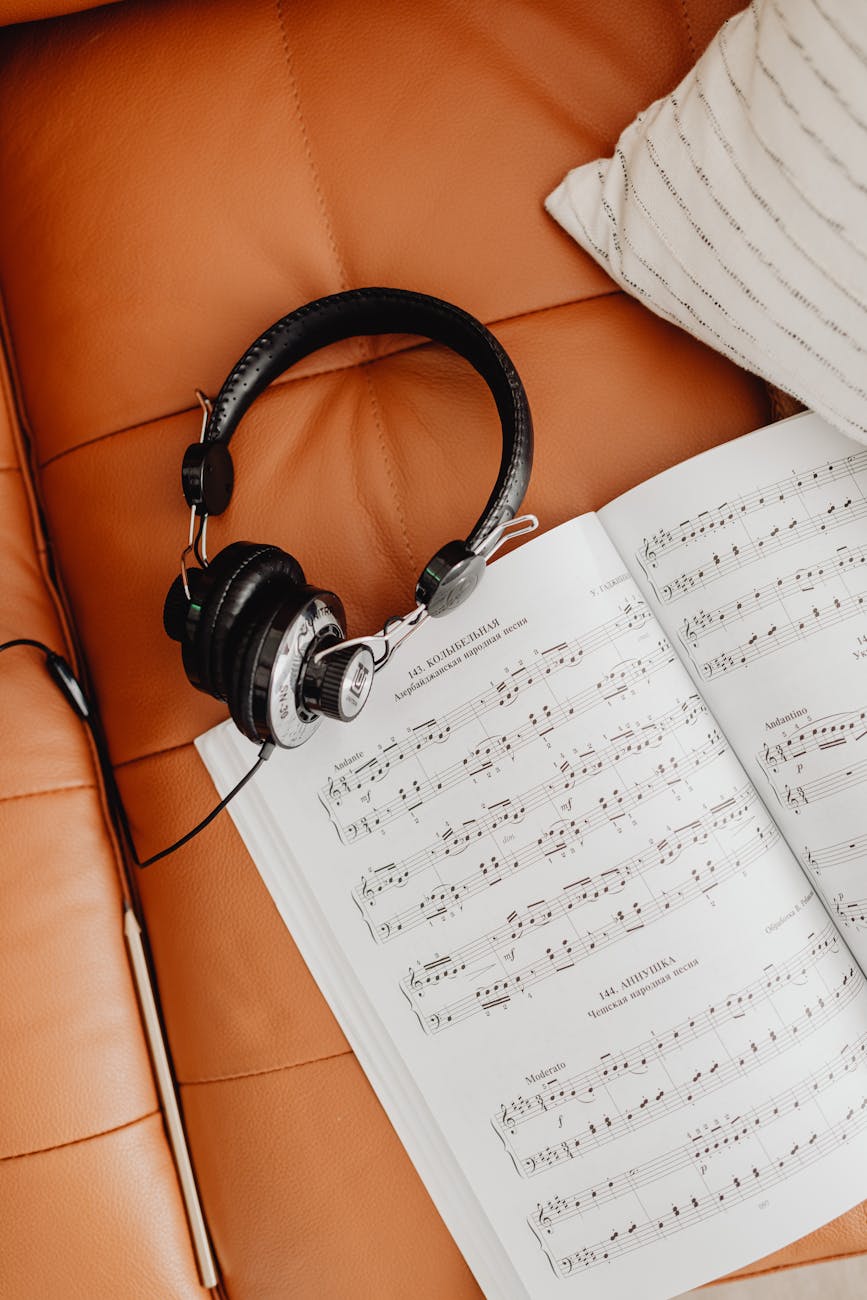
Quick answer: Piano players hear harmony and melody faster by training four skills: interval hearing, chord quality recognition, bass movement awareness, and familiarity with tonal centers and common progressions. The key habit is to listen and decide before looking at the keys. Ten minutes of daily drills, followed by playing back what you hear, builds an ear that matches your knowledge of the keyboard.
Piano players often assume they should naturally be better at ear training. The keyboard lays out every note in plain view, and pianists usually learn more theory than other players.
Yet many pianists find that they cannot play a simple song without sheet music. This guide explains why that happens and how to change it.
👉 Start building stronger piano ears here
Why Can Piano Create a False Sense of Ear Confidence?
The piano makes music theory visible. Intervals, scales, and chords can all be seen as patterns of keys.
Because of this, pianists often understand harmony very well. They can build any chord and explain how a progression works. It is natural to assume that understanding and hearing are the same thing.
They are separate skills. You can know exactly what a minor 7 chord contains and still fail to recognize one in a recording. Knowledge lives in the mind and the eyes. Recognition lives in the ear, and it must be trained directly.
👉 Start building stronger piano ears here
What Is the Biggest Problem Pianists Face?
The most common problem is looking before listening.
Pianists who learn from notation develop a strong link between the eye and the hand. The page says what to play, and the fingers respond. The ear checks the result, but it does not lead.
When the page is taken away, there is nothing to follow. The remedy is to reverse the order. Listen first, form a clear idea of the sound, and only then go to the keys. How to Play By Ear describes this approach step by step.
👉 Practice piano-focused ear drills here
What Are the 4 Ear Skills Piano Players Need Most?
Four skills make the greatest difference for pianists. They are interval hearing, chord quality recognition, bass movement awareness, and familiarity with tonal centers and progressions.
Together they cover the right hand, the left hand, and the structure of the song. The following sections explain each in turn.
👉 Watch guitar lessons on YouTube
1. How Does Interval Hearing Help Pianists?
Melodies are made of intervals. If you can hear the distance between two notes, you can find the next key without searching.
👉 Practice piano-focused ear drills here
On the piano, every interval has a clear physical size. A third skips one white key in a simple scale, and an octave spans eight. Linking those distances to their sounds is very effective.
Practice by playing two notes, singing them, and naming the interval. Then reverse the process: hear an interval and play it. Why Most Musicians Struggle to Recognize Intervals By Ear explains how to build this skill gradually.
2. Why Is Chord Quality Recognition So Important?
Pianists are responsible for harmony more than most players. Hearing the type of chord is therefore essential.
👉 Build your daily piano ear habit here
Begin with major and minor. Then add dominant 7, major 7, and minor 7 chords, which are common in gospel, jazz, and contemporary worship.
Play two chord types on the same root and compare them closely. Then test yourself with recordings or an app. Use different inversions as well, so that you learn the quality of the chord and not a single voicing. How to Recognize Chords By Ear covers this in detail.
3. How Does Bass Movement Awareness Apply to the Left Hand?
The left hand often plays the root of each chord. To play a song by ear, you must hear where the bass goes.
Listen to the lowest part of a recording and hum it. Then find those notes with your left hand. This gives you the outline of the harmony before you add anything else.
Learn the sound of common bass movements, such as 1 to 4 and 5 to 1. These occur constantly and soon become easy to recognize. How to Train Your Ear to Hear Bass Lines More Clearly provides useful exercises.
👉 Build your daily piano ear habit here
4. Why Do Tonal Center and Progression Familiarity Matter?
Every chord is heard in relation to the key. Finding the tonal center gives you a frame for the whole song.
Once you know the key, think of the chords as numbers. The same few patterns appear in a great many songs, and they sound the same in every key.
Practice common progressions in several keys and listen to how each one feels. In time you will recognize whole patterns at once. How to Identify Keys By Ear Without Perfect Pitch and How to Hear Chord Progressions By Ear Without Perfect Pitch explain these skills.
👉 Practice piano-focused ear drills here
Why Does Theory Alone Not Solve Ear Speed?
Theory tells you what is possible. It narrows the choices and explains why things work.
It cannot do the listening for you. In real time, there is no opportunity to reason through each chord. Recognition must be immediate, and that comes only from having heard the sound many times.
The best results come from combining the two. Use theory to predict what is likely, and use your ear to confirm it. A pianist who knows that a 5 chord usually leads to a 1 chord, and who also knows the sound of that movement, can follow almost anything.
👉 Build your daily piano ear habit here
What Is the Best Daily Ear Routine for Piano Players?
A short daily routine is the most reliable way to improve:
- Interval drills, to hear melodic distances
- Chord family contrast, to tell chord types apart
- Bass and root movement hearing, to follow the harmony
- Progression function recognition, to identify common patterns
- Hear then play on piano, to connect the ear to the keys
About two minutes on each is sufficient.
Afterward, choose a simple song and work out a few bars without notation. Find the key, add the bass notes, and then the melody. Best Daily Ear Training Exercises for Busy Musicians offers more ideas.
👉 Start building stronger piano ears here
How Does Ear Training Make Piano Improvisation Better?
Improvisation is the act of playing what you hear in your mind. A stronger ear gives you clearer ideas and a more direct route to the keys.
You begin to choose notes for their sound and not from habit. Your right-hand lines relate to the chords in your left hand. Fills and runs fit the harmony because you can hear where they belong.
You also respond better to other musicians. If a singer changes direction, you hear it and follow. Does Ear Training Help Improvisation? explores this in more depth.
👉 Start building stronger piano ears here
Does Ear Training Help With Worship and Accompaniment?
Yes. Accompanists and church pianists rely on their ears constantly.
Singers may start in an unexpected key, or a leader may move to a song that was not planned. A pianist who can find the key and follow the changes can support the moment without interruption.
Ear training also helps with supporting a congregation or a soloist sensitively. You hear when to fill, when to simplify, and when to change the mood. Ear Training for Worship Musicians addresses these situations directly.
👉 Practice piano-focused ear drills here
How Can Pianists Practice Listening Before Looking?
A few simple habits build this discipline.
Close your eyes when you listen to an example, and sing the answer before you touch the keys. When you do play, try to land on the right note or chord at the first attempt.
Another useful exercise is to play familiar melodies, such as hymns or children’s songs, in a new key without notation. This requires you to hear the tune as a set of relationships. Start with the right hand alone, then add simple left-hand roots.
👉 Practice piano-focused ear drills here
How Long Until Pianists Notice Improvement?
With daily practice, a common pattern is:
- Within 2 weeks: major and minor chords and simple intervals become clearer
- Within 30 days: you find the key and follow basic bass movement more easily
- Within 60 days: common progressions sound familiar, and simple melodies come more quickly
- Within 90 days: you play simple songs by ear with growing confidence
Progress depends on consistency and on your starting point.
Pianists with a good grasp of theory often move quickly, because each new sound attaches to something they already understand. How Long Does Ear Training Take? gives a broader timeline.
👉 Build your daily piano ear habit here
Is It True That Many Piano Players Know More Than They Can Hear?
Yes, and recognizing this is helpful.
Years of lessons often produce strong reading, sound technique, and a good knowledge of theory. Listening is frequently left out. The result is a capable pianist who feels helpless without a score.
This gap is not a lack of talent. It reflects what was practiced. The knowledge you already have becomes an advantage once your ear begins to catch up with it.
👉 Start building stronger piano ears here
Frequently Asked Questions
Can classically trained pianists learn to play by ear?
Yes. Reading and playing by ear are separate skills, and the second can be added at any stage.
Do I need perfect pitch?
No. Relative pitch is what you need, and it can be developed with practice.
How much should I practice?
About ten minutes of focused ear training each day, plus a few minutes of working out real music.
What should I try to play by ear first?
Simple, familiar melodies with the right hand, followed by basic left-hand bass notes.
Listen before you look. With steady practice, your ears will come to match what your hands and mind already know.
Leave a Reply